Drain Cleaning and Hydrojetting for Commercial Plumbing Systems
Commercial drains do not clog politely.
A residential sink will gurgle for a week, drain slowly during toothbrushing, and generally give everyone time to pretend the problem is “probably just soap.” A commercial plumbing system has less patience. One day the kitchen line is fine, the next day a floor drain burps up something that looks like soup from a haunted cafeteria. Suddenly a manager is guarding the restroom door with a mop handle while customers ask if the smell is “part of the building.”
That is the lovely little pressure cooker of commercial drain cleaning. The pipes are larger, the usage is heavier, the stakes are higher, and the consequences are rarely contained to one annoyed person in slippers. Restaurants, medical offices, retail centers, schools, warehouses, salons, hotels, churches, and multi-tenant buildings all depend on drainage systems that quietly move waste away without drama. When those systems fail, operations slow down or stop completely.
Drain cleaning and hydrojetting are two of the main tools used to keep commercial plumbing systems alive, sanitary, and out of the gossip section of the local business community. They are related, but not the same. Knowing the difference can save money, reduce downtime, and help you avoid the ancient facilities-management ritual of repeatedly calling for emergency Rooter service every third Friday.
Commercial drains live a harder life than residential drains
A commercial plumbing system takes abuse with a smile until it cannot. The volume alone changes the equation. A coffee shop restroom might see more flushes before lunch than a home bathroom sees in a week. A restaurant prep sink handles grease, starch, vegetable scraps, sanitizing chemicals, and the occasional mystery object that “nobody” dropped into the drain. Hair salons send hair, dyes, and product residue downstream. Dental offices, veterinary clinics, food processors, and manufacturing shops each create their own special drain personality, some more charming than others.
The layout also tends to be more complicated. Commercial buildings often have long horizontal runs, multiple branch lines, grease interceptors, floor drains, trench drains, lift stations, cleanouts in awkward locations, and shared lines serving several tenants. A clog in one area can reveal itself somewhere else entirely. Water is a snitch, but not always a precise one.
Then there is timing. A backed-up restroom at home is inconvenient. A backed-up restroom in a 200-seat restaurant at 7 p.m. On Saturday is a full-contact sport. Commercial drain cleaning is not just about clearing a pipe. It is about protecting revenue, sanitation, employee safety, customer experience, and sometimes regulatory compliance.
The best commercial Plumber does not walk in thinking only about the blockage in front of them. They think about system history, fixture load, pipe material, line slope, access points, grease management, tenant behavior, and whether the “quick fix” is going to boomerang before the invoice is even filed.
What drain cleaning really means
Drain cleaning is a broad term. It may refer to clearing a single lavatory drain, opening a kitchen line, removing roots from a main sewer, cleaning a grease-clogged branch, or restoring flow in a storm drain. The method depends on what is blocking the pipe and where the blockage sits.
Mechanical cabling, often called snaking, is one of the most familiar methods. A flexible cable with a cutting or boring head is fed into the drain to break through a clog or retrieve material. Used well, it is a practical, cost-effective tool. Used badly, it becomes plumbing theater, lots of noise, a temporary hole through the obstruction, and a clog that returns with the persistence of a sales email.
Rooter service is especially useful when the line has a localized blockage, soft stoppage, minor root intrusion, or a need for immediate flow restoration. It can be the right first move when a restroom group is backing up or a kitchen line needs to be opened fast. But cabling often clears a pathway rather than fully cleaning the pipe walls. Imagine poking a drinking straw through a tub of peanut butter. Technically there is a hole. Nobody should call that clean.
That distinction matters in commercial systems because buildup is often layered. Grease cools and clings to pipe walls. Food particles catch in the grease. Soap scum, scale, sediment, and paper accumulate. Over time, the inside diameter of the pipe shrinks. A four-inch line can begin behaving like a two-inch line with an attitude problem.
If a business calls for drain cleaning every few weeks, the issue may not be that the drains are “bad.” The issue may be that the chosen method is not removing the buildup. It is only negotiating a temporary ceasefire.
Hydrojetting: the pressure washer your pipes may deserve
Hydrojetting uses high-pressure water to scour the inside of drain and sewer lines. Commercial jetting machines can operate at several thousand pounds per square inch, paired with nozzles designed for different tasks. Some nozzles cut through grease. Some flush sand and sludge. Some work backward with powerful rear jets that pull the hose through the line while cleaning the pipe walls. It is less like poking a hole and more like giving the pipe an aggressive spa day.
In the right situation, Hydrojetting is excellent. It can remove grease, sludge, sediment, soft scale, food debris, and certain root masses. It can clean long commercial runs more thoroughly than cabling. For restaurants, cafeterias, grocery stores, and food-service operations, scheduled hydrojetting can be the difference between routine maintenance and a grease backup that turns the dish room into a swamp documentary.
That said, hydrojetting is not magic, and anyone who presents it as magic should be watched carefully around your checkbook. The pipe condition matters. Old cast iron that has severe corrosion, collapsed sections, missing bottoms, or offset joints may not be a good candidate until inspected. High pressure in a compromised pipe can reveal weaknesses, and “reveal” is a polite trade word meaning “make your day worse.”
A responsible contractor typically wants to understand the system before jetting, especially if the line has a history of recurring stoppages. Camera inspection is often paired with hydrojetting, either before, after, or both. Before jetting, a camera can identify major pipe damage, severe offsets, standing water, or obstructions that require another approach. After jetting, it confirms whether the pipe is actually clean or just pretending.
Cabling versus hydrojetting, without the sales fog
Cabling and hydrojetting both belong in commercial plumbing. The trick is not choosing a favorite. The trick is choosing the right tool for the pipe, the blockage, the building, and the business schedule.
Cabling usually shines when the goal is immediate opening of a line, when the blockage is localized, when access is limited, or when the pipe condition is questionable and pressure should be avoided until more is known. It is often faster to mobilize and may cost less upfront. For a simple restroom stoppage caused by excess paper, cabling may be entirely appropriate. No need to bring a cannon to a napkin fight.
Hydrojetting shines when the line has significant buildup, recurring grease clogs, sludge, sediment, or multiple soft restrictions along a run. It is also helpful as preventive maintenance because it cleans pipe walls more thoroughly. A restaurant main kitchen line that clogs every month after repeated cabling is practically waving a tiny flag that says, “Please stop tickling me and clean me.”
The best result often comes from combining methods. A technician may cable first to open a fully blocked line, then hydrojet to clean it properly. If the line is holding water, jetting blind can be less effective because the water cannot carry debris away efficiently. Restoring some flow first lets the jetting process move material downstream toward the proper outlet.
Price should not be judged only by the invoice total on one visit. If cabling costs less but needs to be repeated six times a year, while hydrojetting costs more but holds the line clear for many months, the math changes. Downtime, cleanup, lost sales, employee hours, emergency rates, and customer inconvenience all belong in the calculation. Pipes have a talent for clogging at the most expensive possible moment.
The restaurant grease problem, also known as the usual suspect
If commercial drain cleaning had a villain with a waxed mustache, it would be grease.
Grease enters the system warm and liquid, then cools and sticks to pipe walls. Starches, rice, pasta, coffee grounds, eggshell fragments, and food debris cling to it. Sanitizers and detergents may move some material along, but they do not make grease vanish. Hot water can push grease farther down the line, where it cools in a less convenient location. This is how a kitchen employee can “help” by sending the problem from the prep sink to the main line, which is the plumbing equivalent of sweeping dirt under someone else’s rug.
Grease traps and interceptors reduce the load, but they need proper sizing, maintenance, and cleaning. If an interceptor is neglected, it stops acting like protection and starts acting like a holding tank with delusions of grandeur. Once grease reaches downstream lines, hydrojetting is often the most effective cleaning method.
A practical commercial maintenance plan for food service depends on volume. A small café may need periodic line cleaning once or twice a year. A high-volume restaurant, hotel kitchen, school cafeteria, or grocery deli may need quarterly or even more frequent service. There is no universal schedule. The right interval comes from monitoring backups, flow speed, grease interceptor condition, camera findings, and the amount of actual abuse the line receives.
I have seen kitchens where the plumbing was blamed for “always clogging,” but the real culprit was a prep routine that sent buckets of food waste down a floor sink every night. The pipe was not defective. It was being fed like a raccoon behind a buffet.
Warning signs that a commercial drain is moving toward trouble
Commercial drain problems rarely begin with a dramatic geyser. They usually start with smaller signs that someone notices, ignores, and later remembers with the spiritual clarity of regret. Slow floor drains, recurring odors, gurgling fixtures, bubbles in toilets, wet areas near cleanouts, and drains that perform badly during peak usage all deserve attention.
A single slow sink may be a local trap or branch issue. Multiple fixtures backing up at once suggest a larger downstream restriction. If lower-level drains overflow when upper-level fixtures are used, the main line may be restricted. If drains smell foul after weekends or periods of low use, trap evaporation, venting problems, or buildup may be involved.
Odor complaints can be tricky. Not every sewer smell is a clog. Dry traps, cracked pipes, failed wax rings, vent issues, biofilm in floor drains, and poor condensate drainage from HVAC equipment can all produce smells that send people searching for a plumbing leak repair that may or may not exist. Commercial buildings love cross-discipline mysteries. A Heating contractor or Air conditioning contractor may be involved if condensate lines, rooftop units, or mechanical room drains are part of the issue. A good facilities diagnosis follows the smell without getting hypnotized by it.
One useful habit is tracking drain events. Note the date, affected fixtures, weather conditions, tenant activity, and what was happening before the backup. Heavy rain may point toward stormwater or municipal sewer surcharge. Lunch rush backups may point toward kitchen load. Monday morning odors may point toward dry traps. Patterns are not glamorous, but neither is mopping sewage in dress shoes.
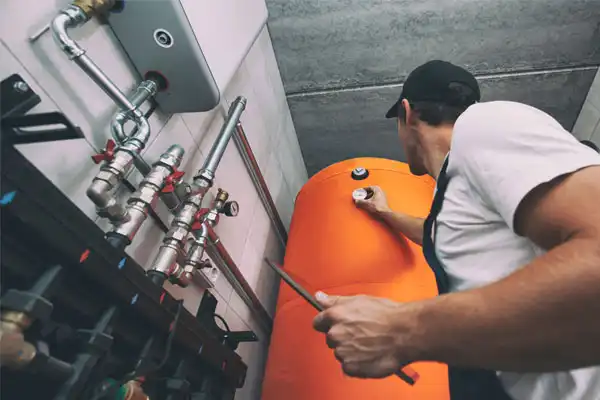
Camera inspection: because guessing is for carnival games
Video camera inspection has changed commercial drain work for the better. A camera does not solve the problem by itself, but it can show what is actually happening inside the line. Grease, roots, offsets, cracked pipe, bellies, scale, construction debris, collapsed sections, and foreign objects all look different. Treating them the same is how buildings end up with recurring service calls and a growing sense of doom.
A camera inspection is especially valuable before major hydrojetting, after repeated blockages, before property purchases, during tenant improvements, and after construction work. Construction debris is more common than people want to admit. I have seen test balls, chunks of grout, rags, bottle caps, screws, and pieces of broken pipe create problems long after the contractor has moved on to ruin someone else’s week.
Camera work has limitations. If the line is fully blocked or filled with murky water, visibility may be poor until the line is opened. Standing water may indicate a belly in the pipe, but the camera may not show the full condition below the waterline. Distance counters can be approximate, depending on setup and calibration. Still, even imperfect camera evidence is better than diagnosing a buried sewer line by vibes.
For commercial owners and managers, camera footage also helps with decision-making. It is easier to approve hydrojetting, spot repairs, Plumbing repiping, or excavation when you can see the restriction or damage. It also helps separate maintenance issues from capital repairs. Grease buildup is a maintenance problem. A collapsed section under the parking lot is a different beast, one that wears a larger hat and costs more money.
Preventive drain maintenance is cheaper than panic
Emergency drain service has its place. Pipes do not check your calendar before causing mayhem. But if a commercial building relies only on emergency response, it will eventually pay extra for the privilege of being surprised.
Preventive drain cleaning is not about cleaning every pipe constantly. That would be expensive and unnecessary. It is about identifying the lines most likely to cause operational pain and servicing them on a sensible schedule. In many buildings, the critical lines are kitchen drains, restroom mains, floor drains near production areas, sewer mains with known root intrusion, and storm drains that collect debris.
A reasonable plan starts with history. Which drains have backed up? How often? What did technicians find? Were roots involved? Grease? Scale? Paper products? Did the problem return quickly after cabling? Has hydrojetting been performed, and was a camera inspection done afterward? These details tell you whether the system needs occasional Rooter service, scheduled Hydrojetting, repairs, tenant education, or all of the above.
The maintenance interval should be adjusted based on evidence. If a restaurant jets a line quarterly and it is still heavily loaded each time, shorten the interval or address grease-handling practices. If a line remains clean after six months, extend the schedule cautiously. Good maintenance is not superstition. It is observation with a wrench nearby.
Service Lion Plumbing Heating Air Electric is a good example of the kind of multi-trade provider that can be useful for commercial properties because drain issues often rub shoulders with other building systems. A clogged condensate drain may involve an Air conditioning repair service. A mechanical room floor drain may affect water heater performance or safety. Electrical rooms, lighting controls, sump pumps, and HVAC equipment do not exist in separate universes just because invoices have different category names.
Safety and sanitation are not optional decorations
A commercial drain backup is not just unpleasant. It can be a health and safety issue. Wastewater may contain bacteria, chemicals, food waste, and other contaminants. Slippery floors create fall hazards. Sewage odors can drive away customers and employees with functioning noses. In food service, a backup can trigger closures or require sanitation steps before operations resume.
Technicians working on commercial drains need proper protective equipment, containment habits, and cleanup awareness. The same goes for staff. Employees should not be expected to handle sewage cleanup casually with a mop and optimism. Depending on the severity and the type of wastewater involved, professional remediation may be needed.
Hydrojetting also carries safety considerations. High-pressure water can injure skin and eyes. Jetting hoses can whip if mishandled. Cleanouts can release pressure, waste, and debris when opened. Experienced technicians control the work area, use proper nozzles, verify access, and avoid jetting toward occupied or vulnerable areas. The water may be clean going in, but it is not exactly mountain spring water coming back out.
Businesses should also be careful with chemical drain cleaners. In commercial settings, harsh chemicals can damage pipes, create fumes, endanger staff, and complicate professional service. If a line is fully blocked, chemicals may sit in the pipe and splash back when a technician opens the system. That is a poor surprise. If your drain plan includes repeated chemical treatments, the plan is probably not a plan. It is a cry for help in a plastic bottle.
The role of pipe material and age
Pipe material changes the drain cleaning strategy. Cast iron, PVC, ABS, clay, Orangeburg, copper, and no-hub systems all behave differently. Commercial buildings may contain several materials because of additions, repairs, remodels, and the proud building tradition of “we used whatever was available that year.”
Cast iron is common in many commercial buildings. It is durable, but it can corrode, scale internally, and develop rough surfaces that catch debris. Hydrojetting can be effective on cast iron, but severely deteriorated pipe needs caution. If the bottom of the pipe is gone, cleaning will not put it back, no matter how encouraging the machine sounds.
PVC and ABS generally have smoother walls and resist corrosion, but they can still sag, separate, clog with grease, or be damaged by improper installation. Clay pipe, often found in older sewer laterals, is vulnerable to root intrusion and joint separation. Roots love joints. Roots also do not respect property lines, business hours, or human ambition.
Pipe slope matters just as much as pipe material. Too little slope allows solids to settle. Too much slope can let water outrun solids, leaving debris behind like a bad parade. Bellies in the line hold water and collect sediment. Hydrojetting may clear a belly temporarily, but if the sag remains, debris will return. At that point, the honest conversation shifts from cleaning to repair.
Air conditioning maintenance Service Lion Plumbing Heating Air ElectricWhen drain cleaning becomes repair
Nobody enjoys hearing that a line needs repair, but there are times when cleaning is only buying time. If a camera shows collapse, major offsets, heavy root intrusion through broken pipe, severe corrosion, or recurring backups caused by poor slope, continued cleaning may be throwing money into a pipe that cannot return the favor.
Commercial repair options vary. Spot repairs can address a localized break. Lining may be possible in some sewer applications if the host pipe is suitable. Excavation may be required for collapsed or badly misaligned sections. Inside the building, Plumbing repiping may be the better choice if drain lines are deteriorated throughout a section. The least expensive repair is not always the cheapest over the next five years.
The business impact should guide planning. A hotel may need phased work to keep rooms available. A restaurant may schedule repairs during closed hours or slower days. A medical office may need temporary facilities or infection-control precautions. A retail center may need coordination among tenants. The pipe is underground, but the planning is very much above ground.
A professional contractor should explain findings clearly, show camera evidence when available, discuss options, and separate urgent safety issues from future recommendations. Not every imperfection requires immediate excavation. Not every recurring clog can be solved with another cable pass. Good judgment lives between panic and denial.
What a commercial hydrojetting visit typically looks like
A hydrojetting appointment begins before the machine starts. The technician identifies the affected line, reviews the history, locates cleanouts, checks downstream flow if possible, and considers whether camera inspection is needed. Access matters. A properly placed cleanout can make the job efficient. A missing or buried cleanout can turn a straightforward cleaning into a treasure hunt, but with worse smells.
Once set up, the jetter hose is fed into the line through an appropriate access point. The nozzle selection depends on the material in the pipe. Grease nozzles, penetrating nozzles, flushing nozzles, and root-cutting nozzles serve different purposes. Water pressure and flow are adjusted for the pipe and blockage. Pressure gets attention, but gallons per minute matter too. Flow carries debris away. Pressure without adequate flow is like yelling at a couch to move.
The technician works the hose through the line methodically, allowing the rear jets to pull it forward and clean as it retreats. Heavy lines may require multiple passes. Debris may wash back toward the cleanout or move downstream, depending on the setup. In commercial kitchens, grease and sludge can come back in impressive quantities, the sort of material that makes everyone nearby reconsider lunch.
After cleaning, a camera inspection may confirm the condition of the line. This is the point where the truth appears. If the pipe walls look clean and the slope is good, the maintenance plan can be adjusted. If roots, damage, or standing water remain, the next steps should be discussed. Hydrojetting is both a cleaning method and a diagnostic opportunity when paired with inspection.
Coordination with other building systems
Commercial plumbing rarely lives alone. A mechanical room may include floor drains, water heaters, boilers, HVAC condensate lines, gas piping, pumps, electrical panels, and controls. One drainage failure can affect several systems.
Water heater repair and Water heater installation often involve drainage considerations, especially in high-demand buildings. A leaking or flushing water heater needs a functional floor drain. If that drain is clogged, a routine service can become an indoor pond. Water softener installation also ties into drainage because regeneration discharge must be routed correctly. Improper discharge can overload small drains or create code issues.
HVAC equipment adds another layer. Air conditioning maintenance and an Air conditioning tune-up may include checking condensate drains. A clogged condensate line can cause water damage, nuisance shutdowns, or odors. Heat pump installation may require proper condensate management too. In commercial settings, condensate sometimes drains to floor sinks, roof drains, or dedicated lines that should be kept clear.
Electrical systems matter because drain backups and water intrusion near panels, lighting controls, and equipment can create hazards. An Electrician or Lighting contractor may be needed if water has reached electrical components. Gas installation service and Furnace repair service have their own safety requirements around combustion equipment, venting, and mechanical rooms. A floor drain backup near gas-fired equipment is not a decorative feature. It deserves prompt attention.
The smartest property managers treat the building as a set of connected systems. Plumbing, heating, cooling, electrical, gas, and drainage all share space. When one misbehaves, the others may get dragged into the argument.
Staff habits that either help or sabotage drains
Commercial drain maintenance is not only a contractor issue. Daily habits inside the building matter. The best hydrojetting in town cannot defeat a staff that treats drains like trash cans with plumbing.
Restaurants should dry-wipe grease and food scraps from cookware before washing. Floor drains should have strainers where appropriate. Coffee grounds belong in waste containers, not sinks. Mop water should not include chunks of debris. Restroom signage can help reduce paper towel flushing, although signs cannot fix human creativity. Salons should use hair traps and clean them regularly. Maintenance staff should keep roof and area drains free of leaves, trash, and sediment.
Training does not need to be dramatic. A ten-minute conversation during onboarding can prevent thousands of dollars in service calls. The wording should be practical, not scolding. People are more likely to cooperate when they understand the result. “Do not pour grease down the sink because it creates backups that shut down the kitchen” works better than “corporate says no.”
Managers should also make it easy to do the right thing. Provide proper waste containers, grease handling procedures, drain screens, and cleaning tools. If the only convenient option is the drain, the drain will receive offerings. Pipes are not moral instructors. They simply collect evidence.
Choosing a commercial drain cleaning contractor
Commercial drain work requires more than a van and confidence. Look for a contractor with proper equipment, commercial experience, camera inspection capability, and enough honesty to tell you when cleaning will not solve the underlying issue.
Ask how they decide between cabling and hydrojetting. Ask whether they document findings. Ask if they can provide images or video when recommending repairs. Ask about after-hours availability if your business cannot tolerate daytime disruption. Ask how they protect floors, fixtures, and work areas. The answers will tell you whether you are dealing with a technician or a person performing plumbing-themed improvisation.
The contractor should also understand code and local requirements, especially for grease interceptors, backflow concerns, sewer connections, sump discharge, and stormwater systems. Commercial plumbing mistakes can become expensive quickly. A cheap visit that creates a compliance problem is not cheap. It is a down payment on regret.
Service agreements can be useful for businesses with predictable drain loads. They often include scheduled cleaning, priority response, documentation, and reminders. The value is not just convenience. It is continuity. A contractor who knows your building history can make better decisions than someone meeting your sewer line for the first time during a crisis.
The money conversation, without pretending everything is simple
The cost of commercial drain cleaning varies widely because the work varies widely. A simple fixture stoppage is not the same as hydrojetting a long kitchen main after hours with camera inspection. Access, pipe size, severity, equipment needed, disposal concerns, labor time, emergency scheduling, and building layout all affect price.
It is tempting to focus on the cheapest immediate option. Sometimes that is fine. If a one-time paper clog is cleared with a cable and never returns, everyone wins. But recurring commercial drain issues should be evaluated by total cost. Six emergency calls, two lost dinner services, contaminated flooring, staff overtime, and angry tenants cost more than scheduled maintenance.
Hydrojetting often costs more upfront than basic cabling, but it can reduce recurrence when buildup is the problem. Camera inspection adds cost, but it can prevent guesswork and unnecessary repeat service. Repairs cost more than cleaning, but they may be the only rational option when the pipe is structurally failing.
The goal is not to spend the most. The goal is to spend once for the right reason, then avoid spending again for the same preventable mess.
A practical way to think about your building’s drains
Every commercial building has a drainage personality. Some are easygoing. Some are fussy. Some have one cursed line that has been ruining Fridays since the Clinton administration. The trick is learning which one you have and responding accordingly.
If your drains have no history of trouble, maintain good staff habits, inspect critical areas periodically, and react early to warning signs. If your building has occasional localized clogs, targeted drain cleaning may be enough. If you have recurring grease, sludge, or sediment issues, hydrojetting should be part of the conversation. If camera inspections show defects, plan repairs instead of endlessly clearing symptoms.
Commercial plumbing rewards attention and punishes wishful thinking. Drains are hidden, which makes them easy to ignore. But they are also brutally honest. They will carry away waste all day, every day, until buildup, damage, roots, or poor habits push them past their limit. Then they will announce the problem in the least brand-friendly way available.
Drain cleaning and hydrojetting are not glamorous services. Nobody posts a ribbon-cutting photo for a freshly jetted sewer line. But they keep businesses open, kitchens running, restrooms usable, mechanical rooms dry, and property managers from developing that thousand-yard stare common to people who have heard the phrase “the floor drain is backing up” one too many times.
A clean drain is a quiet drain. In commercial buildings, quiet is underrated.
Name: Service Lion Plumbing Heating Air Electric
Address: 521 W Briardale Ave, Orange, CA 92865, United States
Phone: (657) 337-3622
Website: https://callservicelion.com/
Email: [email protected]
Hours:
Monday: Open 24 hours
Tuesday: Open 24 hours
Wednesday: Open 24 hours
Thursday: Open 24 hours
Friday: Open 24 hours
Saturday: Open 24 hours
Sunday: Open 24 hours
Open-location code: R48R+WV Orange, California, USA
Map/listing URL:
https://www.google.com/maps/search/?api=1&query=Google&query_place_id=ChIJQU4LBWHV3IARtnABtyykSA4
Google Map:
Socials:
https://www.facebook.com/ServiceLionCA/
https://www.youtube.com/channel/UCR_L35QzsRTxYZtX8PxJvPw
Local Service Information
Service Lion Plumbing Heating Air Electric provides plumbing, drain, heating, air conditioning, and electrical services from its Orange, California location.The company serves homeowners and properties throughout Orange and communities across Orange County and surrounding areas.
Available services include plumbing repairs, water heater work, drain and sewer services, heating and cooling service, electrical repairs, panels, lighting, outlets, and related home-system work.
Service is available for residential properties as well as light commercial needs described within the company's local service-area information.
The company's website emphasizes locally operated service, coordinated home-system support, and practical scheduling for plumbing, HVAC, and electrical needs.
The matching public business listing shows the Orange location as open 24 hours a day, seven days a week.
For service information or scheduling, call (657) 337-3622 or visit https://callservicelion.com/.
The public map listing identifies the business at 521 W Briardale Ave, Orange, CA 92865 and can be used for location and direction information.
Popular Questions About Service Lion Plumbing Heating Air Electric
What services does Service Lion Plumbing Heating Air Electric provide?
The company provides plumbing, drain and sewer, heating, air conditioning, and electrical services. Its published services include plumbing repair, water heaters, drain clearing, sewer work, HVAC repair and installation, electrical repairs, panels, circuit breakers, lighting, outlets, and related services.
Where is Service Lion Plumbing Heating Air Electric located?
The matching business location is 521 W Briardale Ave, Orange, CA 92865, United States.
What areas does Service Lion Plumbing Heating Air Electric serve?
The company serves Orange County and surrounding communities. Its published service-area information includes Orange, Anaheim, Brea, Yorba Linda, Fullerton, Huntington Beach, Newport Beach, Costa Mesa, Irvine, Lake Forest, and additional nearby cities.
Is Service Lion Plumbing Heating Air Electric open 24 hours?
The matching public business listing shows the location as open 24 hours on Monday through Sunday.
Does Service Lion Plumbing Heating Air Electric work on drains and sewer lines?
Yes. Published services include drain clearing, rooter service, camera inspection, hydro jetting, sewer line repair and installation, water line work, slab leak detection, and trenchless sewer line repair.
Does Service Lion Plumbing Heating Air Electric provide heating and air conditioning service?
Yes. Its published HVAC services include air conditioning repair and installation, heating service, furnace work, heat pumps, air ducts, indoor air quality assessments, and thermostat installation.
Does Service Lion Plumbing Heating Air Electric provide electrical service?
Yes. Published electrical services include repairs and installations, electrical panels, circuit breakers, safety inspections, lighting, outlets and switches, surge protection, generators, and EV charging equipment installation.
How can I contact Service Lion Plumbing Heating Air Electric?
Call (657) 337-3622.
Email: [email protected]
Website: https://callservicelion.com/
Facebook: https://www.facebook.com/ServiceLionCA/
Landmarks Near Orange, California
Old Towne Orange Historic District
A central historic district and useful geographic reference point for the Orange community.
Plaza Park
A well-known public gathering point in the center of Old Towne Orange.
Orange Public Library & History Center
A civic landmark serving residents near central Orange.
Hart Park
A major public park and recreation area south of central Orange.
Eisenhower Park
A public park serving neighborhoods in northern Orange.
Santiago Oaks Regional Park
A regional recreation and open-space landmark on the eastern side of Orange.
Irvine Regional Park
A large regional park and recognizable reference point east of the city.
Orange Park Acres
A distinctive residential community and service-area reference point in eastern Orange.
El Modena
An established Orange neighborhood that provides a practical local coverage reference.
Glassell Street
One of the city's principal north-south streets and a useful route through central Orange.
Lincoln Avenue
A major east-west roadway serving northern Orange and nearby communities.
State Route 55
A primary regional freeway connecting Orange with other parts of Orange County.